Baking School: Week 2

5 Oct

Baking class is now in full swing! We just finished the second week of class and I’ve already learned so much. In this class we learned how to:

  • Poach Pears
  • Finished our Apple Tart
  • Create an Almond Cream
  • Made a Pâte Brisée
  • Assemble our Tarte Bourdaloue (Pear & Almont Tart)
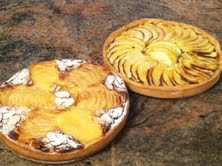
During my first class I learned a lot of important lessons about protein levels of dough, the emulsification process and so on. During the second class I learned a lot of creative tricks and tips. I’ve always struggled with “cutting” butter into the dry ingredients to create “pearls”. For some reason no matter what I did the butter never ended up the way it was “supposed to”. Well, this class solved that problem! This is one of those techniques that’s easier done without the use of a machine.

  • Once the dry ingredients are mixed add in the pre-cut COLD butter cubes into the mixture. With a pastry blender cut through the mixture in different directions and use a knife to scrape off anything that sticks on. It’s definitely a test of patience. Once the butter starts to disappear into the flour, use your hand as a sifter to see the sizes of butter that are left. If there are some that are larger than the average you can take them out, cut them separately and place them back in. The main thing here is that the butter MUST be cold.


We also learned a lot about the different types of french tart doughs including the 3 basic types:

  • Pâte Brisée – “Broken Dough” – Flaky with little flavoring
  • Pâte Sucrée – “Sweet Dough” – Used exclusively for sweet tarts
  • Pâte Sablée – “Sandy Dough” – Very similar to a Pâte Sucrée, but with a high proportion of sugar – becomes crumbly, almost cookie like – Frequently referred to as shortbread dough.

To learn about the differences and more about how to work with them check out All You Need to Know – French Tart Dough.

I’m very excited about how the class is going. I’m learning so much and meeting a lot of great people. Can’t wait for next week!!

Pumpkin Cupcakes with Maple Frosting

28 Sep

Although the weather isn’t agreeing too much to the change of seasons, the pumpkins are on the stands and the apples are ready to be picked from the trees. This is one of my favorite seasons for baking because it’s the time of year where I get to include all the warm spices into my baking. It’s the season of cinnamon, ginger, nutmeg, allspice and so much more! All those spices that make you want to curl up in front of the fire-place and watch an old movie. I’ve been on a pumpkin kick lately and whats better than pumpkin cupcakes with cinnamon, ginger and nutmeg with a dollop of maple flavored frosting on top?

Now, you may look at what you’ll need and think “wow! That’s a lot of stuff”, but I promise it’s an easy recipe to follow and all the ingredients can be found in your local supermarket. So have fun with it and play with the flavorings, that’s the best part of fall!

What You’ll Need:

For the Cupcakes:

  • 1 Cup of All-Purpose Flour
  • 1 tsp of Baking Powder
  • 1/2 tsp of Baking Soda
  • 1/2 tsp of Salt
  • 1 tsp of Ground Cinnamon
  • 1/2 tsp of Ground Ginger
  • 1/2 tsp of Ground Nutmeg
  • 2 Extra-Large eggs – Room Temperature
  • 1 Cup of Canned Pumpkin Puree (8 ounces)
  • 1/2 Cup of Granulated Sugar
  • 1/2 Cup of Light Brown Sugar, lightly packed
  • 1/2 Cup of vegetable Oil

For the Frosting:

  • 6 Ounces of Cream Cheese – Room Temperature
  • 3 tbs of Unsalted Butter – Room Temperature
  • 1/4 tsp of Natural Maple Flavor
  • 1/2 tsp of Vanilla Extract
  • 2 Cups of sifted Confectioners’ Sugar

To Prepare:

  • Preheat the oven to 350 degrees F
  • Brush or spray the top of the muffin tins with vegetable oil and line them with paper liners

Directions:

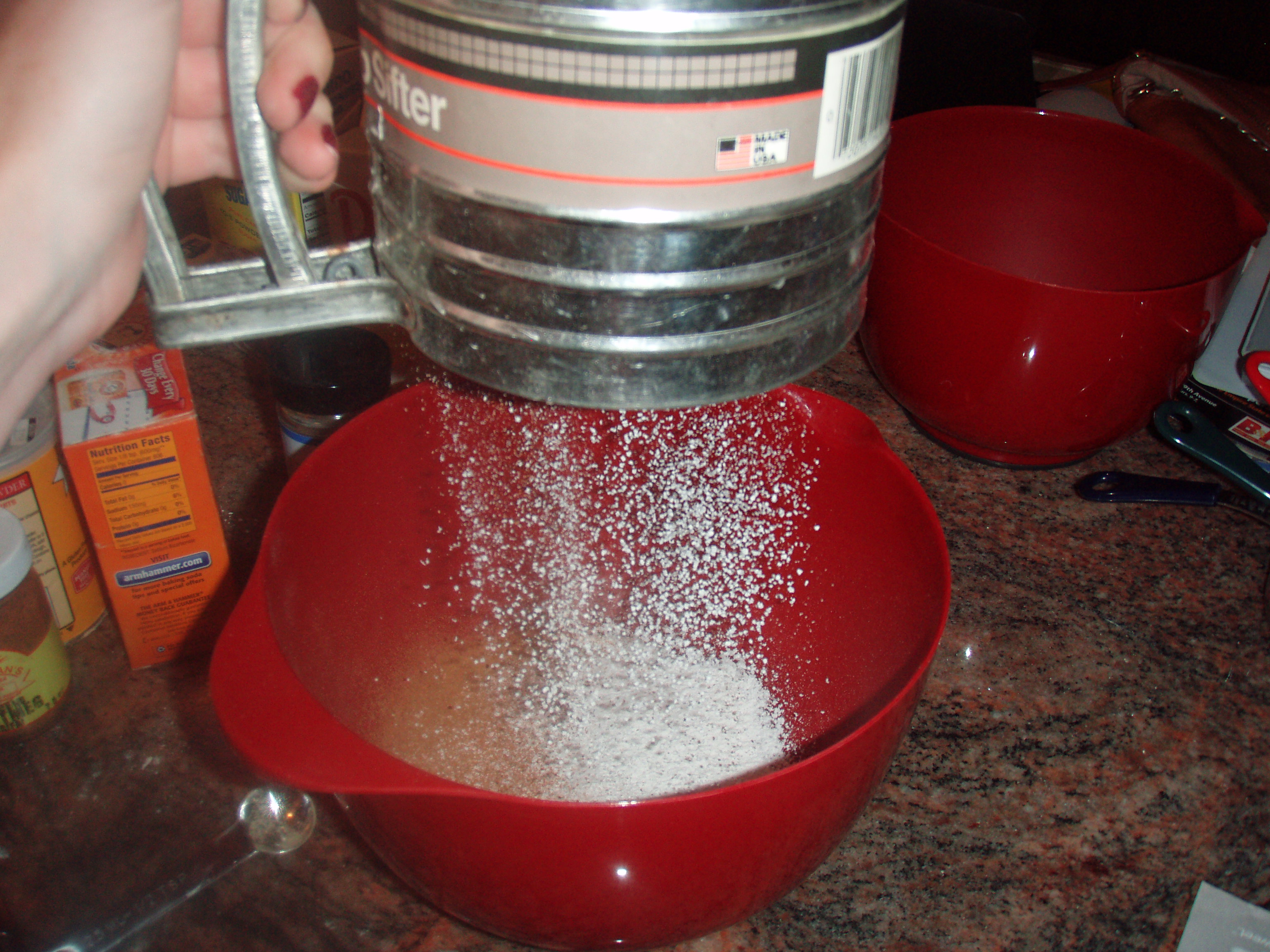
In a medium bowl, sift together  the flour, baking powder, baking soda, salt, cinnamon, ginger and nutmeg.

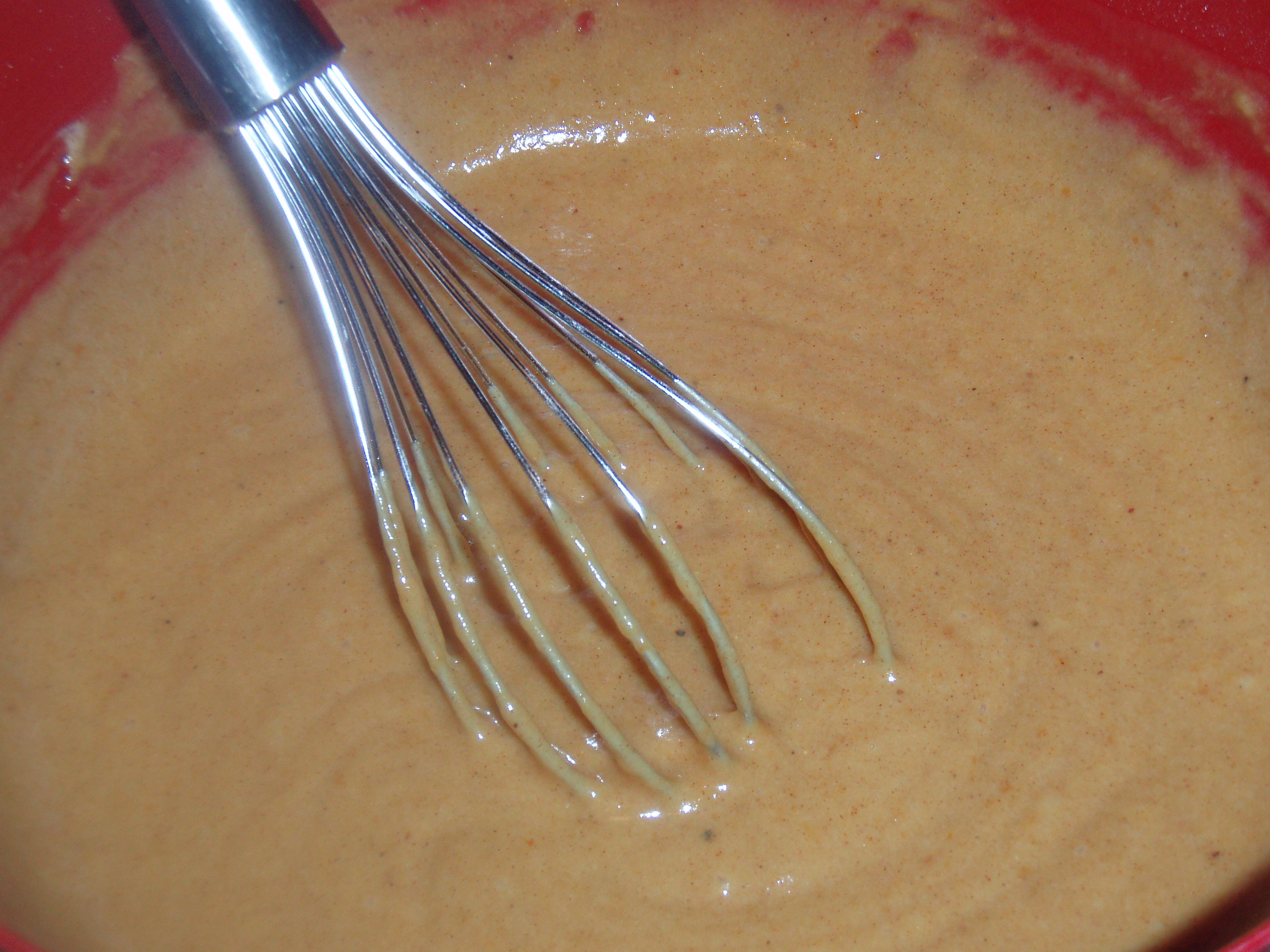
In a large bowl, whisk together the eggs, pumpkin puree, granulated sugar, brown sugar and vegetable oil.

Add the flour mixture into the liquid and stir until combined. You’ll notice that the batter will begin to lighten a bit.

Divide the batter between the prepared tins. I used an ice cream scoop to make insure and even amount of batter in each cup and fill about 3/4 of the way up. Bake the cupcakes for 20-25 minutes, until a toothpick inserted in the center comes out clean. Set aside and let them cool completely.

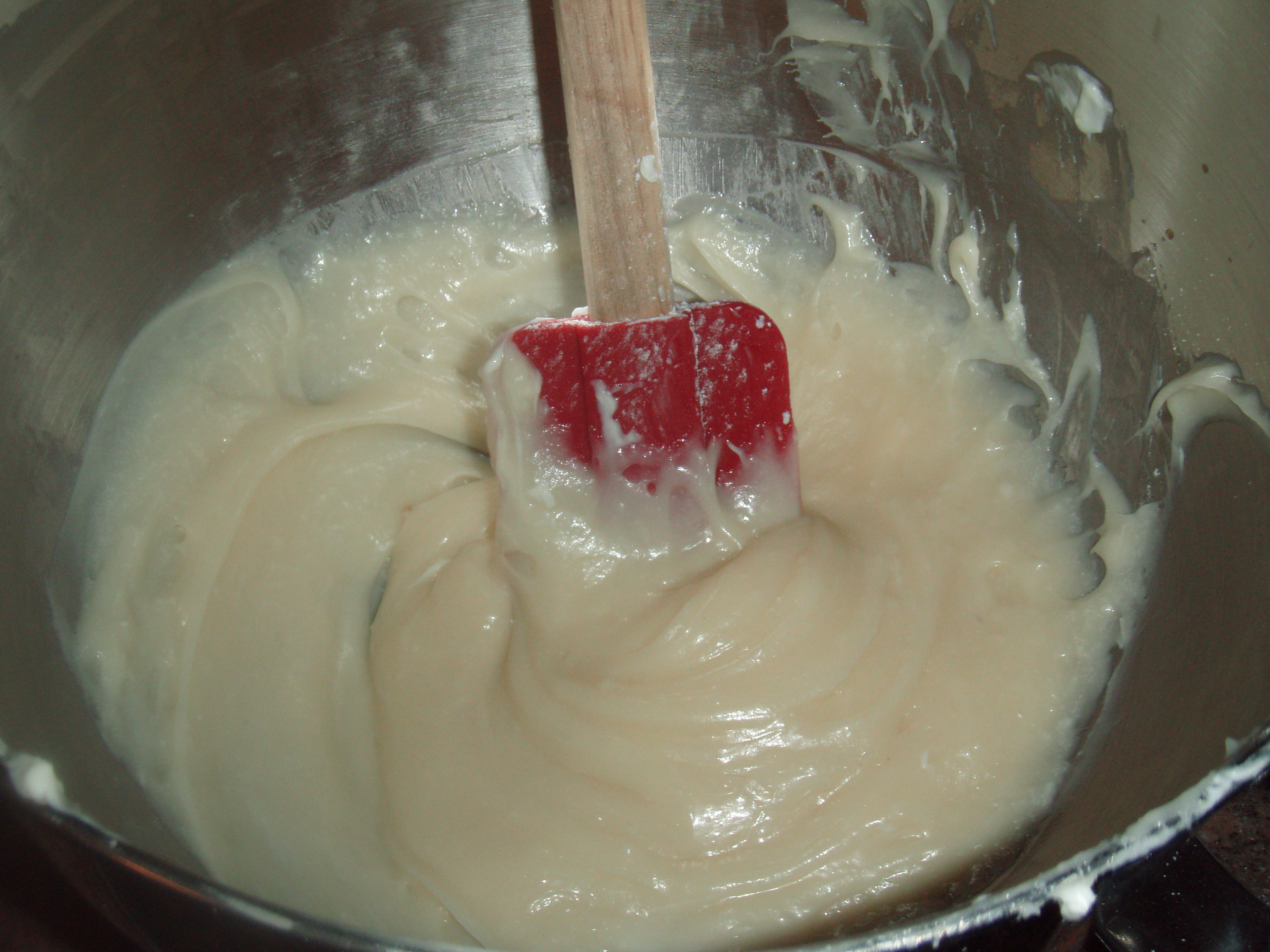
Now for the frosting! As the cupcakes are cooling you can start preparing the maple frosting. In a large bowl, use a rubber spatula to cream together the cream cheese and butter until smooth. Stir in the maple flavoring and vanilla extract. Slowly add in the confectioners’ sugar and mix until smooth.

Once the cupcakes are completely cooled, spread the maple frosting over the top and enjoy!!

Baking School: Week 1

21 Sep

Saturday was the start of my first official baking class! Those who know me know I’m not quite a “morning person”, but I kicked myself out of bed and went to class on Saturday. Needless to say, I had a blast!!

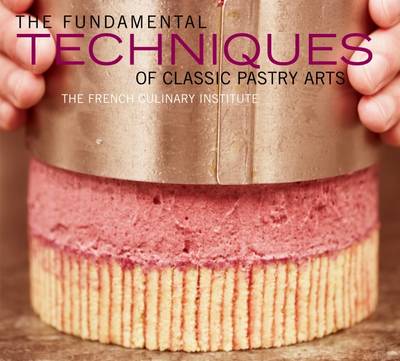
The first class was a lot of registration, learning the kitchen and making sure everyone was set up with everything they needed. As part of the class, each student is given a binder with all of the recipes, definitions and tips we will use during the semester, The Fundamental Techniques of Classic Pastry Arts text-book and a full set of baking utensils (probably my favorite part!)


Once we all got settled our Chefs performed a demo of what we’d be baking for the day. Since it was our first class we started the beginnings of an apple tart. We made Sucree Dough and Apple Compote.

Things I Learned:

  • Emulsify – Combining 2 liquids that don’t combine easily – When you add an egg 1 at a time into the recipe like we did in the New York Crumb Cake
  • You can freeze dough for up to a month
  • Best way to have room temperature eggs is to submerge them in warm water for 5 minutes
  • The greater the fat content in butter, the better the butter is (Go figure!). In the class we use butter with 82% fat
  • One of the biggest differences in the types of flour is the amount of protein. Bread Flour has the most protein, then All-Purpose and Cake Flour has the least amount.
  • Gluten: Flour in contact with water – The more you work the dough the more gluten is released. When you overwork pastry it becomes bread because you’re releasing too much gluten into the dough.
  • Lemon juice prohibits apples from turning brown when you chop them

I’m really looking forward to the coming weeks of the class. Keep checking back for more pictures, updates, tips and recipes!

Design a site like this with WordPress.com
Get started